
Shilajit is often sold online as a natural answer to thinning hair. It is worth being clear from the start: we have found no human trial that has tested shilajit on hair. This article explains how hair grows, what shilajit contains, and what research has and hasn’t looked at.
How does the hair growth cycle work?
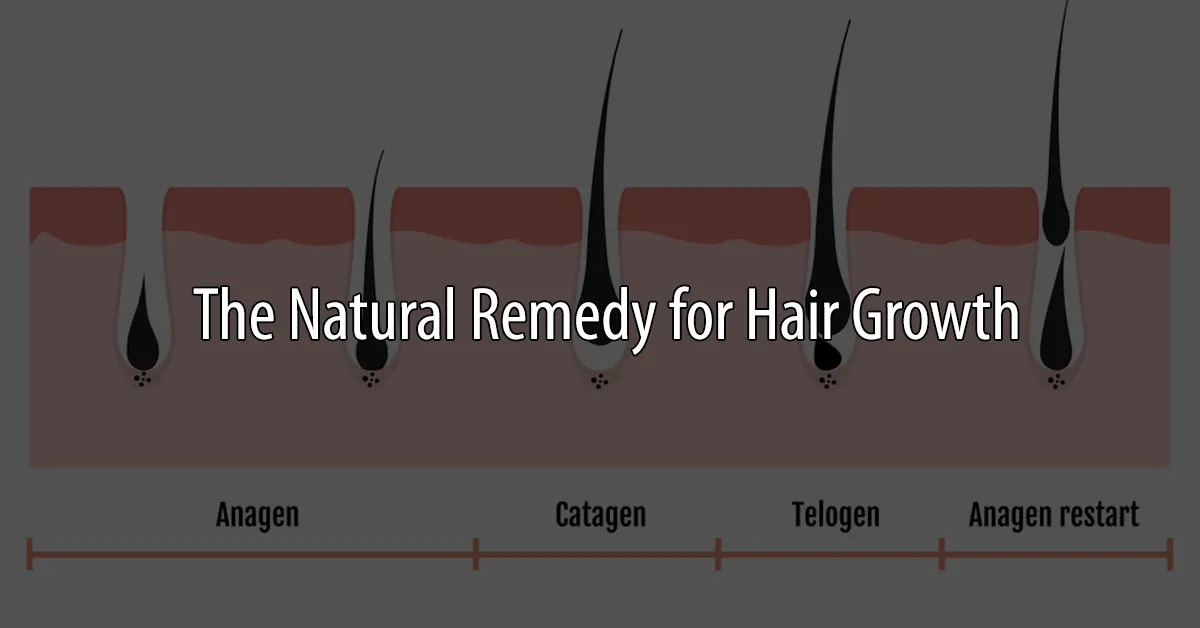
Each hair on your head grows from its own follicle, and each follicle goes through a repeating cycle. Follicles don’t all move in step, so at any time most hairs are growing while some are resting or shedding.
There are three main phases:
- Anagen (growth). The follicle actively makes hair. This is the longest phase and can last several years for scalp hair. Its length largely decides how long your hair can grow.
- Catagen (transition). A short phase of a few weeks. Growth stops and the follicle shrinks back.
- Telogen (rest). The hair stays in place for a few months, then falls out. A new hair usually starts growing from the same follicle.
Losing some hairs every day is a normal part of this cycle. Many things can shift the balance, including genetics, hormones, illness, stress and diet. If you notice sudden or patchy hair loss, it is worth seeing your GP to find out why.
What is shilajit?
Shilajit is a dark resin that forms in rock in high mountain ranges, including the Himalayas. Our resin is harvested in the Nepalese Himalayas at around 4,800 metres.
By weight it is mostly humic substances, chiefly fulvic acid. About a fifth is minerals, mainly calcium, potassium and magnesium. Iron, zinc and other elements are present only in trace amounts. The exact make-up varies between sources. You can read more on our what is shilajit page.
Has it been used for hair traditionally?
Shilajit has been used in Ayurveda for centuries as a rasayana, a rejuvenating substance. Our sources don’t record a specific traditional use for hair, so we won’t claim one.
What does the research say about shilajit and hair?
In short, there is none in people. We haven’t found a single human study that measured hair growth, shedding or thickness.
The closest research looks at collagen and skin, and it doesn’t measure hair:
- A 2024 trial in 35 young men found a blood marker of collagen production rose after eight weeks of shilajit. Skin, hair and nails weren’t measured.
- A 14-week trial in 45 women looked at skin. It found no difference from placebo in skin hydration or elasticity.
Fulvic acid has shown effects in lab studies. However, no human trial has tested fulvic acid from shilajit on its own, so its role in people is unproven.
What about hair masks and scalp oils?
Recipes for shilajit hair masks are common online. There are no human studies of shilajit applied to skin or scalp, so we can’t say they do anything. If you try one, do a patch test first and stop if your skin reacts.
Is shilajit safe to take?
In placebo-controlled trials of purified shilajit, side effects were no more common than with placebo. A 28-day study of shilajit resin reported mild, short-lived complaints such as acne, rash and indigestion in some men.
Quality matters, because shilajit can contain heavy metals from the rock. Our batch has been tested by an accredited lab, and you can see the results on our lab results page.
The bottom line
Hair growth is a complicated cycle shaped by genes, hormones and health. Shilajit has a long history in Ayurveda, but there is no human evidence linking it to hair. If you are worried about hair loss, your GP or a dermatologist is the right first step.
For the related research, see shilajit for skin and collagen. Hilasti’s shilajit is sold as a raw resin; see the shop.
This article is for information only and isn’t medical advice. Speak to your doctor or pharmacist before taking a supplement, especially if you’re pregnant, breastfeeding, take medication or have a health condition.